
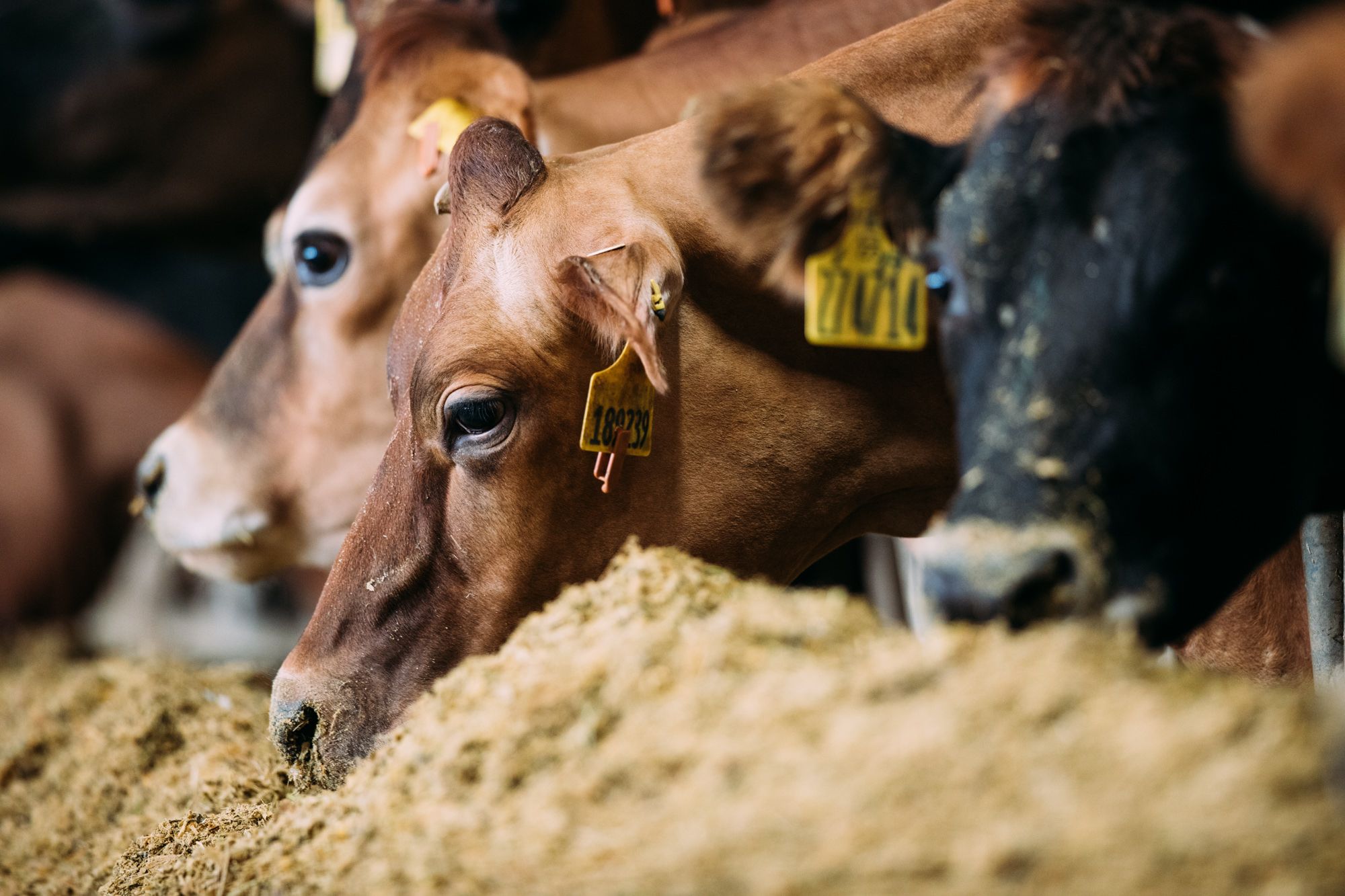
Throughout the hearing and comment process over its proposed expansion of the West River Dairy in Stevens County, Riverview LLP has maintained that its project is a good economic development project for the area.
Further, it points to its good stewardship of the land and conscientious efforts to be a good neighbor.
With last week’s Minnesota Pollution Control Agency (MPCA) ruling that Riverview’s plans to expand from an operation with 7,855 dairy cows to one with 18,855 head, making it the largest single operation in the state, does not require an Environmental Impact Statement, it is one step closer to becoming reality.
Riverview has already completed an environmental assessment worksheet (EAW) for its project.
An EAW is an information-gathering document used to inform decision-makers, including those issuing land-use and environmental permits required for the project. The environmental review process provides an opportunity for public input during the public comment period,” it says. It is also required by the MPCA before deciding whether an EIS is needed.
An EIS is a much more comprehensive, in-depth look at a projects impact on the area, and even region, where it is proposed.
It is a ruling that was made based on Riverview’s plans compliance with state law and permit regulations. It was based on studies of air and water quality concerns and addressing concerns about ground water use and the health of the area’s watershed, that showed the West River’s expansion would not cause harm.
However, citizens, some farm organizations, and public interest groups have spoken out against the MPCA’s ruling.
“For decades, Riverview has been dedicated to investing in the rural communities where we live and work, providing a culture of opportunity for our coworkers and neighbors, and responsibly stewarding our environment and resources,” Martha Koehl said in a statement for Riverview following last week’s MPCA ruling.
“This expansion represents a long-term investment in the Morris area — and in the people and families who make this community what it is — that will support local jobs, local businesses, and Minnesota’s agricultural economy.
“We are especially grateful to the residents of Stevens County and the surrounding communities who took the time to learn about our project, attend meetings, ask questions, and share their perspectives during the review process. That kind of local engagement matters to us — it reflects the strength of this community we call home.
“Throughout this process, Riverview has worked openly with regulators and stakeholders, and we remain committed to that approach moving forward.
“We also remain committed to being a responsible steward of the land and a good neighbor for years to come,” Koehl said.
Minnesota Farm Bureau opposed ruling
In a news release issued shortly after the MPCA ruling was made public, Minnesota Farmers Union (MFU) leaders said they were disappointed with the decision.
“When we established our current regulatory framework for feedlots in the late 1990s, no one contemplated a nearly 19,000-cow dairy operation,” MFU President Gary Wertish said. “That is more than 60 times the average size dairy herd in our state,
“We support an EIS for animal feedlots with a capacity of 10,000 animal units or more because we believe in robust rural economies centered on people in agriculture. It’s the people who attend schools and churches, shop at local businesses and build strong communities.
“People across the state deserve access to clean water and clean air and that’s why MFU supports the thorough project review an EIS would provide,” Wertish said.
MFU also expressed concerns about the next generation of dairy farmers in Minnesota. Over the past decades, the number of small dairy operations in the state has fallen dramatically as large dairies have grown. The number of dairy cows shown by 4-H kids who lived on dairy farms at county fairs has also dropped. The barns a half-full as just a handful are shown for judging.
“Consolidation is reshaping our dairy sector, and the trend has implications for land access, local economies and the next generation of farmers,” MFU Vice President Anne Schwagerl said. “We cannot ignore these dynamics, but neither shall we accept them without careful consideration. Requiring an EIS is a measured, reasonable step. It ensures that when we make decisions, we do so with eyes wide open.”
During the 2026 legislative session, MFU backed a proposed law that would have required animal feedlots with 10,000 animal units or more to require an EIS.
That would mean if there were more than 7,140 dairy cows proposed for a facility, an EIS would have to be conducted. The bill was not voted on.
Land Stewardship Project objects
The Land Stewardship Project (LSP) is a nonprofit organization that says it is “dedicated to fostering an ethic of stewardship for farmland, promoting sustainable agriculture and developing healthy communities in the food and farming system.” It has offices Montevideo, Lewiston and South Minneapolis.
“We are disappointed that state regulators are allowing a project of this unprecedented size to move forward without the full environmental review that rural residents, family farmers, and community members have been calling for,” Sean Carroll, Policy Director for LSP, said in a news release.
“An Environmental Impact Statement is exactly the tool needed to answer the serious questions people have raised about water use, manure management, groundwater protection, public health, and the future of family-scale dairy farming in western Minnesota,” he said.
“The public has asked clear, reasonable questions that should be answered before any permits are issued,” Carroll said. “The MPCA’s decision does not make those questions go away. It simply means the responsibility now falls even more squarely on local elected officials to stand up for the people and resources of Stevens County.”

